
We talk a lot about ‘Time Lapse’ here on our blog.
We all know that they create visually aesthetic pieces; that they’re mesmerising and without fail capture our interest.
But what’s the science behind them? How do they actually work?
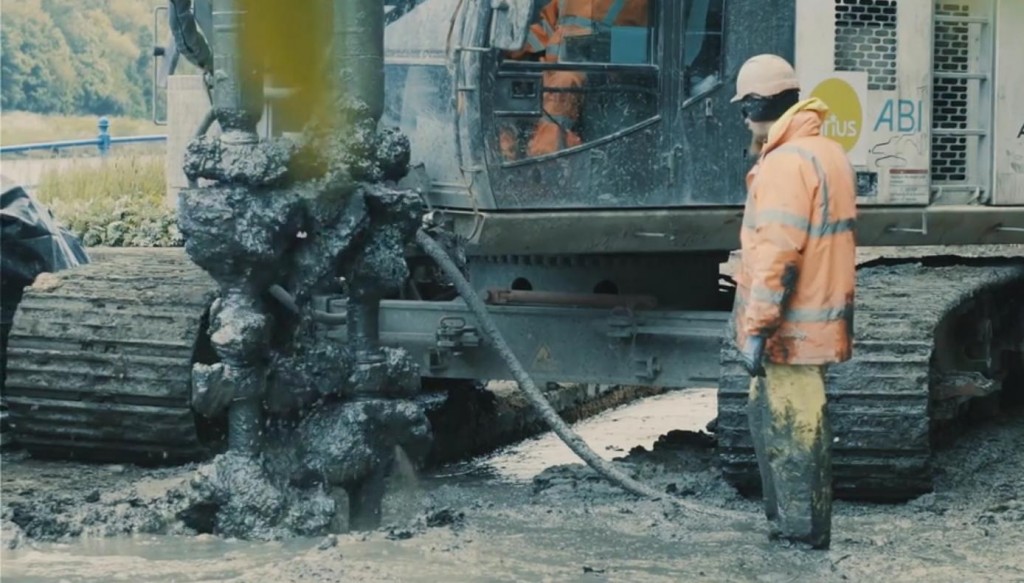
Time Lapses tend to be taken over an extended period of time. It could be over a day, to capture a pretty sky and the movement of clouds. Or it could be over a protracted time-scale, for example, we filmed for three months when we worked with Sirius and Newcastle City Council.

Click here to watch Sirius Time Lapse from Mango Studio on Vimeo.
Despite its appearance to move, Time Lapse is actually made up of a series of still images.
In fact, a regular video, is made up of many different still images, too. Only the speed that we see and take these images is a lot quicker than those of a Time Lapse video.
When shooting footage for a Time Lapse piece, the rate at which the images are captured on the camera is slowed down.
Depending on the growth of the project that you are filming, you may be required to alter the rate that the photographs are being taken. The idea is that a photo is captured often enough apart to physically see a change occurring, but frequently enough to represent a gradual fluid change.
For example, if a Time Lapse production aimed to capture a pregnant woman’s growing stomach, a picture may need to be taken every day for nine months to ensure that its growth is consistently monitored; because something like this grows and moves gradually.
However, if you wanted to capture a Basket Ball player successfully shooting the ball through the hoop, the images would need to be taken at very short intervals to ensure that the action flows and is not missed; because this movement happens so instantly.
Interestingly, in the same way that ‘frames’ or still images are captured by a camera, our eyes and brain process what we see by stringing a series of short frames together in quick succession. It isn’t actually one fluid stream of vision. Now doesn’t that mess with your head?





Get Social